Seasonal Maintenance Checklist for Trucking Fleets

As the seasons change, so do the demands on trucking fleets. Ensuring that your fleet is ready for these shifts can prevent costly breakdowns and improve safety and efficiency. A comprehensive seasonal maintenance checklist is essential for keeping your trucks in top shape.
Inspect Tires and Brakes
One of the most crucial aspects of fleet maintenance is ensuring that tires and brakes are in optimal condition. Seasonal changes can affect tire pressure and tread wear. Regularly check tire pressure and look for any signs of wear or damage. Rotate tires as needed to ensure even wear across all points.
Brakes should also be inspected for wear and tear. Check brake pads and rotors to ensure they are functioning properly. Replace any worn components to maintain stopping power in all weather conditions.

Monitor Fluids and Lubricants
Fluids and lubricants play a vital role in the operation of any vehicle. During seasonal transitions, it’s important to check all fluid levels, including engine oil, coolant, transmission fluid, and windshield washer fluid. Ensure that they are filled to the appropriate levels and replace them if necessary.
Lubricate moving parts as needed to prevent wear and tear. This includes hinges, suspension components, and other critical areas that can be affected by temperature fluctuations.
Check Battery and Electrical Systems
Cold weather can be particularly harsh on batteries and electrical systems. Ensure that all connections are secure and free of corrosion. Test the battery to make sure it holds a charge and replace it if it shows signs of weakness.
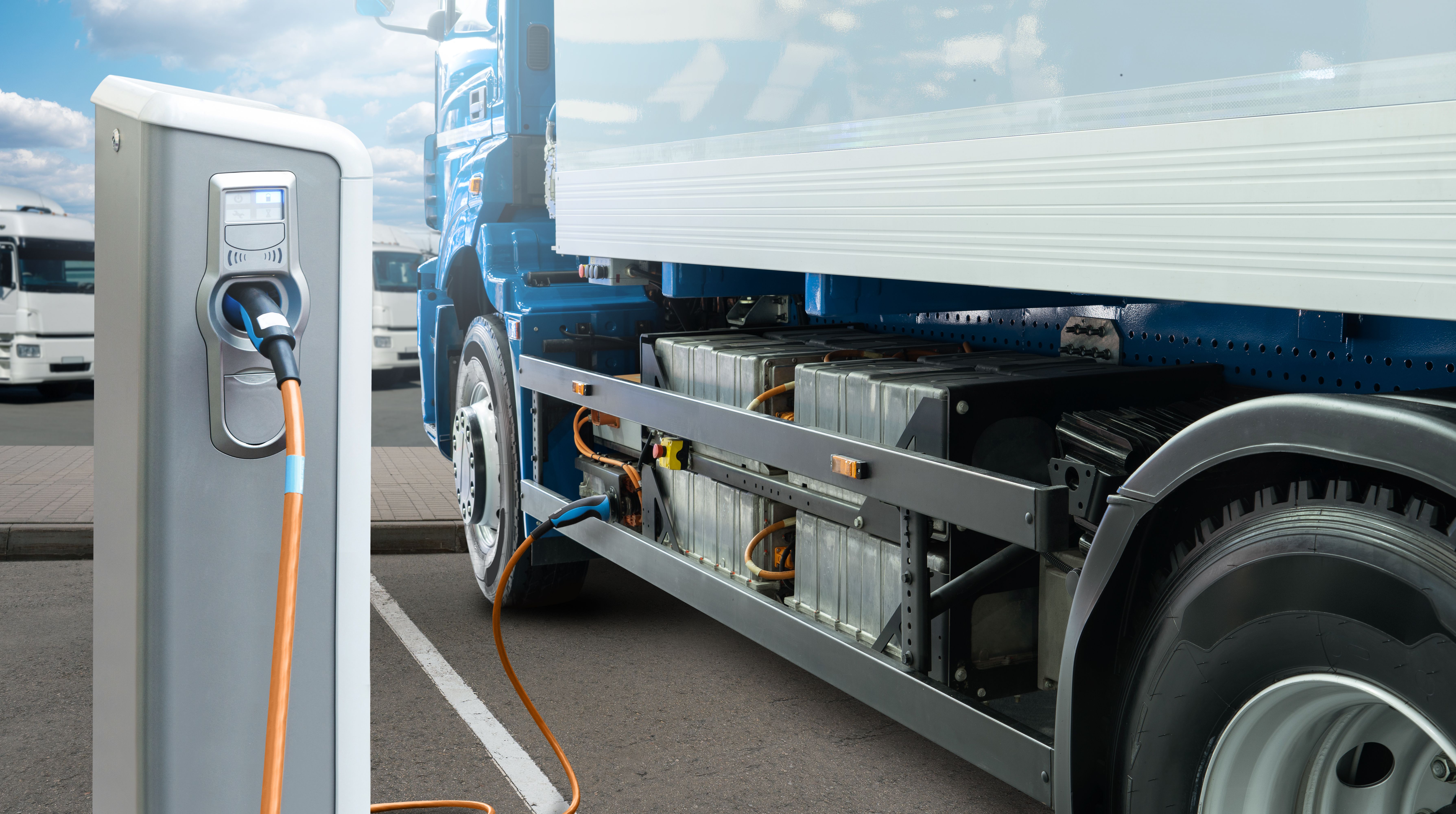
Inspect the electrical systems, including lights, signals, and wipers. Replace any burnt-out bulbs and ensure that all electrical systems are functioning correctly to maintain safety on the road.
Examine Heating and Cooling Systems
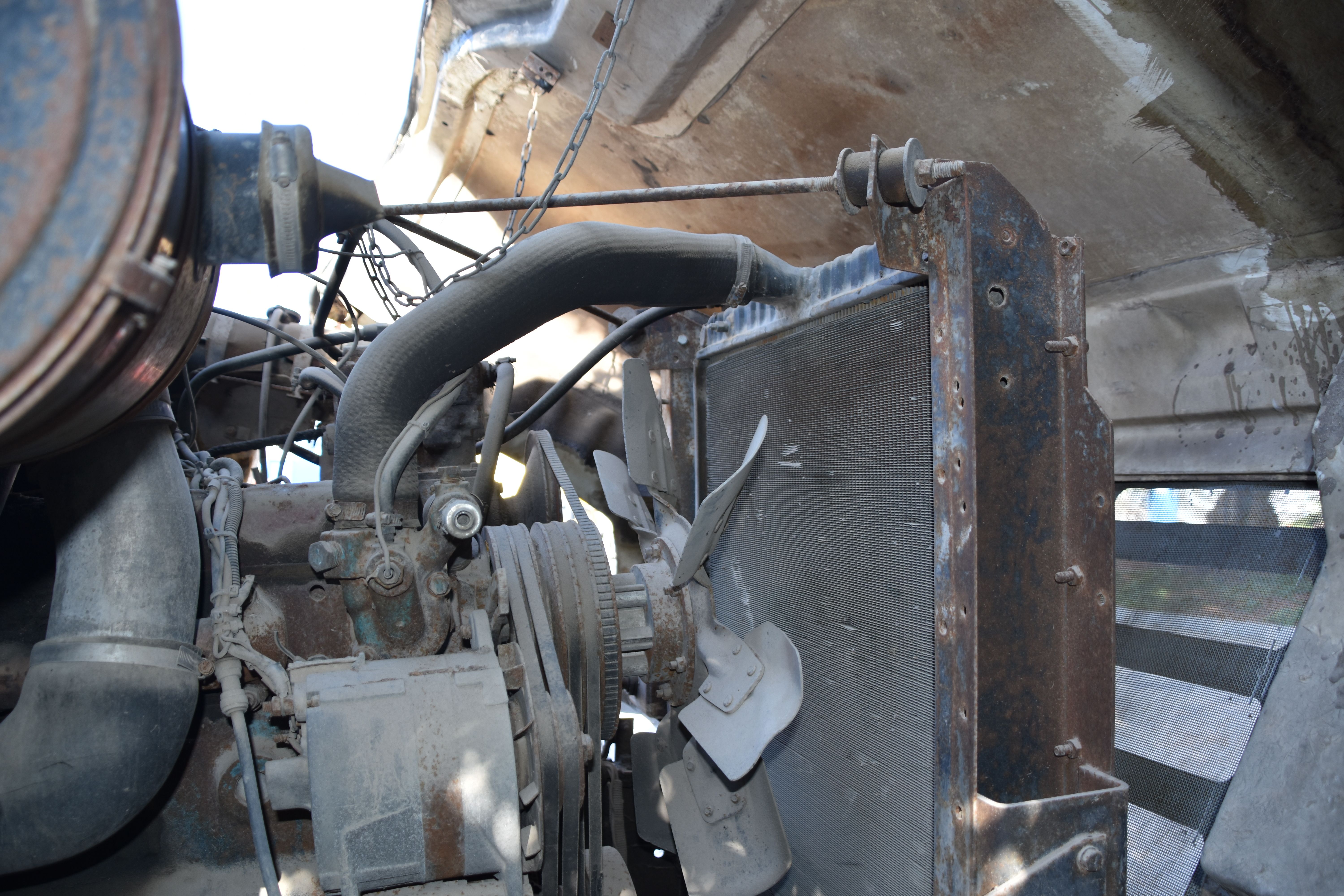
As temperatures drop, heating systems become crucial for driver comfort and safety. Check the heating systems to ensure they are working efficiently. Clean or replace filters and test the defrosters to ensure they can clear the windshield effectively.
Similarly, cooling systems should be checked before the warmer months. Ensure that the air conditioning system is in good condition and that refrigerant levels are adequate.
Review Safety Equipment
Safety equipment is essential for protecting drivers and cargo. Conduct regular inspections of safety gear, including fire extinguishers, first aid kits, and emergency road kits. Ensure that all items are in good condition and replace any expired or used items.
Provide drivers with seasonal safety training to prepare them for different weather conditions. Emphasize the importance of safe driving practices and staying alert on the road.
Plan for Seasonal Considerations
Finally, consider the specific challenges posed by each season. For example, winter may require additional preparations such as installing snow chains, while summer might necessitate increased attention to cooling systems.
By planning ahead and following a detailed seasonal maintenance checklist, you can keep your trucking fleet running smoothly and efficiently, regardless of the season.